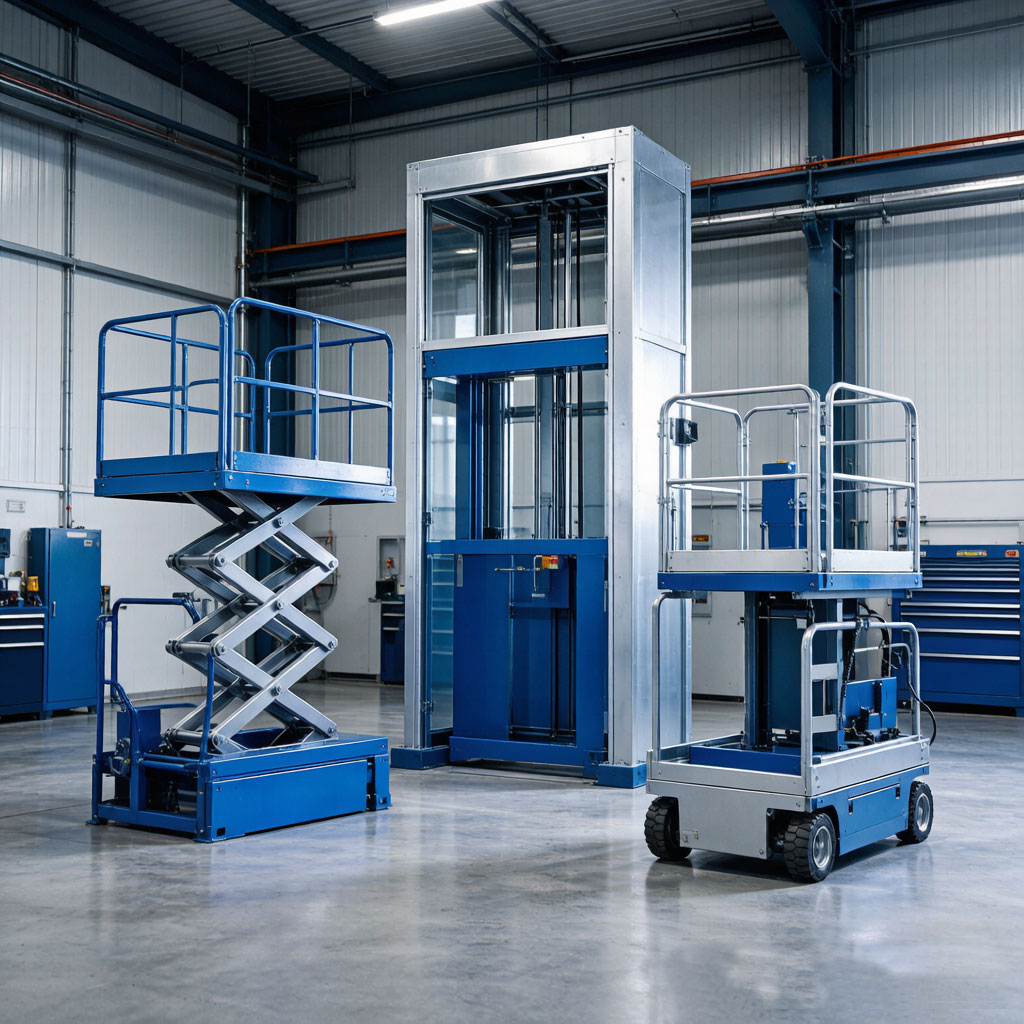
Answer the normal service life of hydraulic lifting platforms, freight elevators, and home elevators, as well as the criteria for determining whether they need to be scrapped and replaced.
The normal service life of hydraulic lifting platforms and freight elevators is generally 15-20 years, but the actual service life is greatly affected by factors such as frequency of use, quality of maintenance, and working environment. Home elevators are usually designed for a service life of 15-25 years. It is recommended to scrap and replace the equipment when the following conditions occur: irreparable deformation, cracks or fatigue damage occurs in structural parts (such as guide rail wear and tear, scissor arm deformation); severe internal leakage of the hydraulic cylinder still fails to meet performance requirements after repair; main stress welds are found to be cracked after inspection; electrical systems are severely aged, have frequent failures and maintenance costs are too high; safety devices cannot pass regular inspections; equipment has exceeded its depreciation life and maintenance costs exceed 50% of the equipment's residual value. Routine maintenance can effectively extend the life of the equipment. It is recommended to conduct a comprehensive inspection every year and have the manufacturer or professional testing agency issue a test report to ensure the safe operation of the equipment.