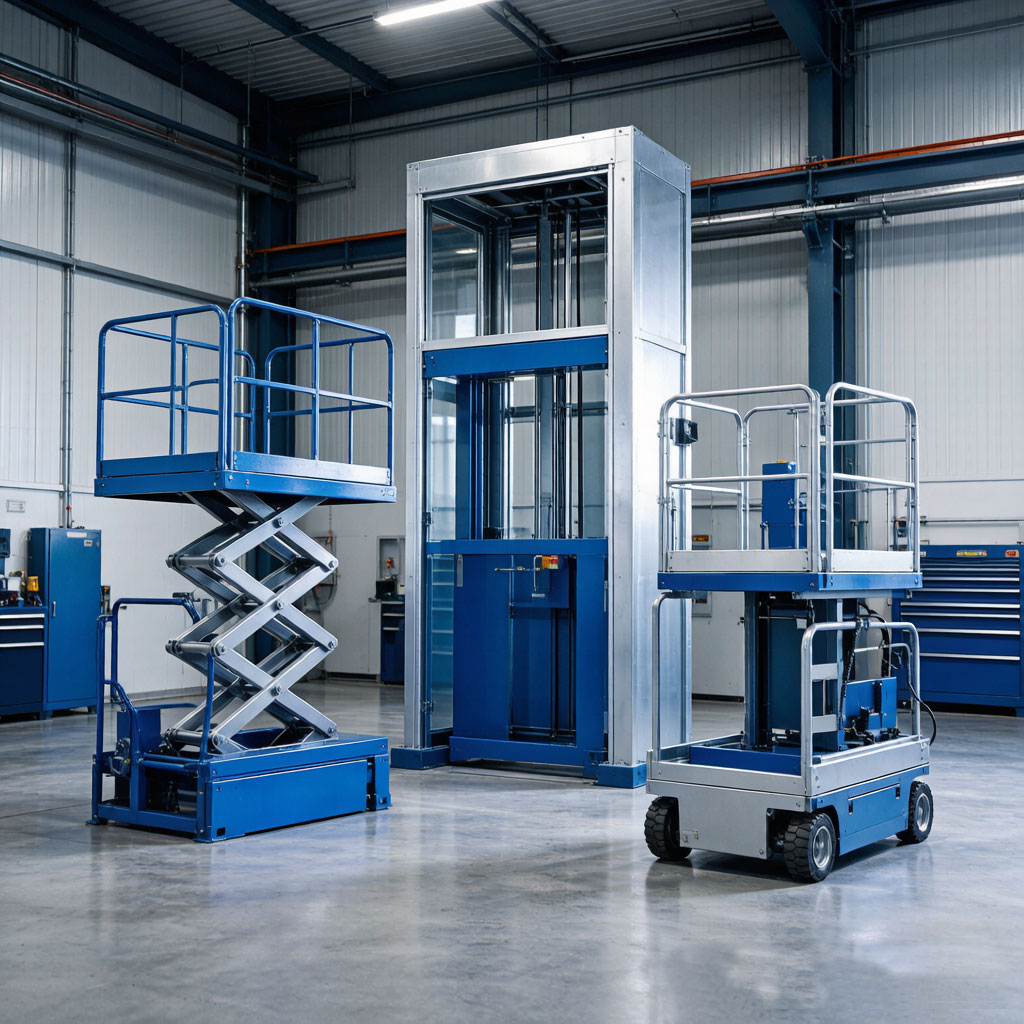
The price of home elevators is affected by the brand, driving method, civil construction conditions, etc., and is generally between 100,000 and 400,000 yuan. This article provides professional reference from three aspects: price structure, type comparison, and purchase suggestions to help users make reasonable budgets and decisions.
Home elevator price overview
The cost of installing a home elevator is not a fixed figure. Depending on factors such as brand, driving method, number of floors, shaft material and decoration style, the market price is usually betweenRMB 100,000 to RMB 400,000between. Entry-level domestic hydraulic or screw elevators are about 100,000-150,000 yuan, mid-range traction elevators are 150,000-250,000 yuan, and high-end imported brands or customized solutions can reach 300,000-400,000 yuan. In addition to the equipment itself, hidden costs such as civil engineering renovation, installation and commissioning, and maintenance also need to be considered.
Price constitutes three core
1. Equipment cost (accounting for 50%~60%)
Including main machine, car, guide rail, control system, etc. The cost of different driving methods is significantly different:
- Hydraulic elevator: The structure is simple and the well utilization rate is high, but there is a risk of oil leakage. The price is about 100,000-180,000 yuan.
- Traction elevator: Energy-saving and silent, mature technology, mainstream choice, price 120,000-300,000 yuan.
- screw elevator: No bottom pit, no machine room, easy to install, but slow, price 80,000-150,000 yuan.
2. Installation and civil construction costs (accounting for 20%~30%)
The newly installed shaft requires concrete pouring or steel structure construction, which costs about 20,000 to 50,000 yuan; if the shaft is already reserved, some expenses can be saved. In addition, additional costs may also be incurred for pit excavation, power supply line modification, decoration closing, etc.
3. Long-term maintenance and energy consumption (accounting for 10%~15%)
The annual maintenance cost of a home elevator is about 2,000-5,000 yuan, depending on the brand and contract terms. The electricity bill is about 100-300 yuan per month. Some brands provide free first-year maintenance, which needs to be specified in the contract.
Price comparison of different types of elevators
| Drive mode | Price range (10,000 yuan) | Applicable scenarios | Advantages and Disadvantages |
|---|---|---|---|
| Hydraulic | 10~18 | Low floor (2-3 floors) | Heavy load, low noise; potential for oil leakage |
| Traction (permanent magnet synchronous) | 12~30 | 2-6 floors | Energy saving, silent, long life; machine room or hoistway required |
| screw | 8~15 | 1-4 floors | No pit required, quick installation; slow speed, average comfort |
| Forced drive (sprocket) | 6~10 | Simple modification | The lowest price; poor security and stability |
Recommendation: If you have sufficient budget, you should give priority to traction elevators, which are cost-effective; if space is limited, choose screw elevators; if noise is not a consideration and budget is limited, choose hydraulic elevators.
How to choose accurately according to your budget
First, clarify the number of floors, hoistway dimensions, and lifting height of your home. If the budget is within 100,000 yuan, you can consider domestic screw or small hydraulic elevators; the 100,000-200,000 yuan range can cover most mainstream brand traction elevators; if the budget exceeds 200,000 yuan, you can pursue imported brands or customized interiors. Secondly, pay attention toSecurity configuration: Whether equipped with power outage emergency leveling, safety gear, door lock interlock, etc. Finally, ask for multiple quotes and compare themlife cycle cost, including maintenance, parts replacement, etc., avoid looking only at the initial selling price.
FAQ
Does installing a home elevator require approval?
Home elevators are special household equipment. When installed in villas or self-built houses, there is usually no need to report to the market supervision department for inspection, but local building regulations must be followed. It is recommended to consult the property or community. If it involves the renovation of public areas, approval may be required.
Does the home elevator price include installation?
Most brands' quotations include equipment, installation and standard commissioning, but the costs of civil engineering, shafts, decoration, power supply modification and other costs are usually extra. Before signing the contract, you should confirm whether the quotation list contains ‘full package’ or ‘half package’.
How much more expensive are imported home elevators than domestic ones?
The starting price of imported brands (such as German Tisheng, Swiss Schindler, etc.) is usually more than 200,000 yuan, which is 30% to 50% more expensive than domestic products with the same configuration. However, some domestic brands use imported components and are affordable.
How long is the service life of a home elevator?
Under normal use, the lifespan of a home elevator is about 15-25 years. The traction elevator has a longer life, the hydraulic type takes about 15 years due to aging of the cylinder, and the screw type takes about 10-15 years due to mechanical wear. Regular maintenance can extend the life.
Is it necessary to reserve a pit when installing a home elevator?
Traction elevators usually require a pit (depth 30-50cm), and hydraulic elevators also require a pit to place the hydraulic cylinder. Screw elevators can have no pit, but the ground must be load-bearing. A bottomless pit solution can be used to renovate old houses.
How much does it cost to maintain a home elevator every year?
Home elevator maintenance costs vary depending on the brand and contract content, but generally range from 2,000 to 5,000 yuan per year, including daily inspections, lubrication, and emergency services. It is recommended to sign a maintenance contract when purchasing.
Does a home elevator consume a lot of electricity?
The power of a home elevator is about 2-5kW, the frequency of daily use is low, and the average monthly electricity bill is about 100-300 yuan. Variable frequency drive elevators are more energy-saving and consume almost no power in standby mode.
Which home elevator is the safest?
The traction elevator is equipped with safety gear, speed limiter, and door lock interlock, which ensures the highest safety. Hydraulic elevators are equipped with explosion-proof valves and speed-limiting valves. Screw elevators have mechanical brakes. Pay attention to safety certification (such as CE, GB7588) when choosing.
Case
Shanghai villa three-story traction elevator installation case
The owners are a family of five. The villa has three floors and a reserved hoistway of 1.5m×1.5m. Choose a domestic brand of permanent magnet synchronous traction elevator with a load capacity of 400kg, a speed of 0.4m/s, and a power outage emergency leveling and stainless steel car. The total price is 185,000 yuan (including equipment, installation, hoistway steel structure, decoration and closing). The construction period is 45 days, and maintenance is free in the first year and 3,800 yuan per year thereafter. Owners reported that it runs smoothly and the noise is controllable, making it suitable for daily use.
Case Study of Installing Screw Elevator in Old House in Hangzhou
The owner built a six-story self-built house with no reserved hoistway and limited space. Choose a screw elevator imported from Italy, with no bottom pit and no machine room, load capacity 300kg, speed 0.15m/s, installed in the corner of the stairwell, and equipped with sightseeing glass. The total price is 132,000 yuan (including equipment, installation, hoistway glass, and aluminum door covers). The construction period is 20 days, and subsequent maintenance costs 3,000 yuan per year. The owner is satisfied that it is easy to install, but it is slow and suitable for the elderly.
Authoritative citation
"Safety Specifications for the Manufacturing and Installation of Home Elevators" (GB/T 21739-2008)
China Elevator Association's "2023 China Elevator Market Annual Report"
Ministry of Housing and Urban-Rural Development "Residential Design Code" (GB 50096-2011)