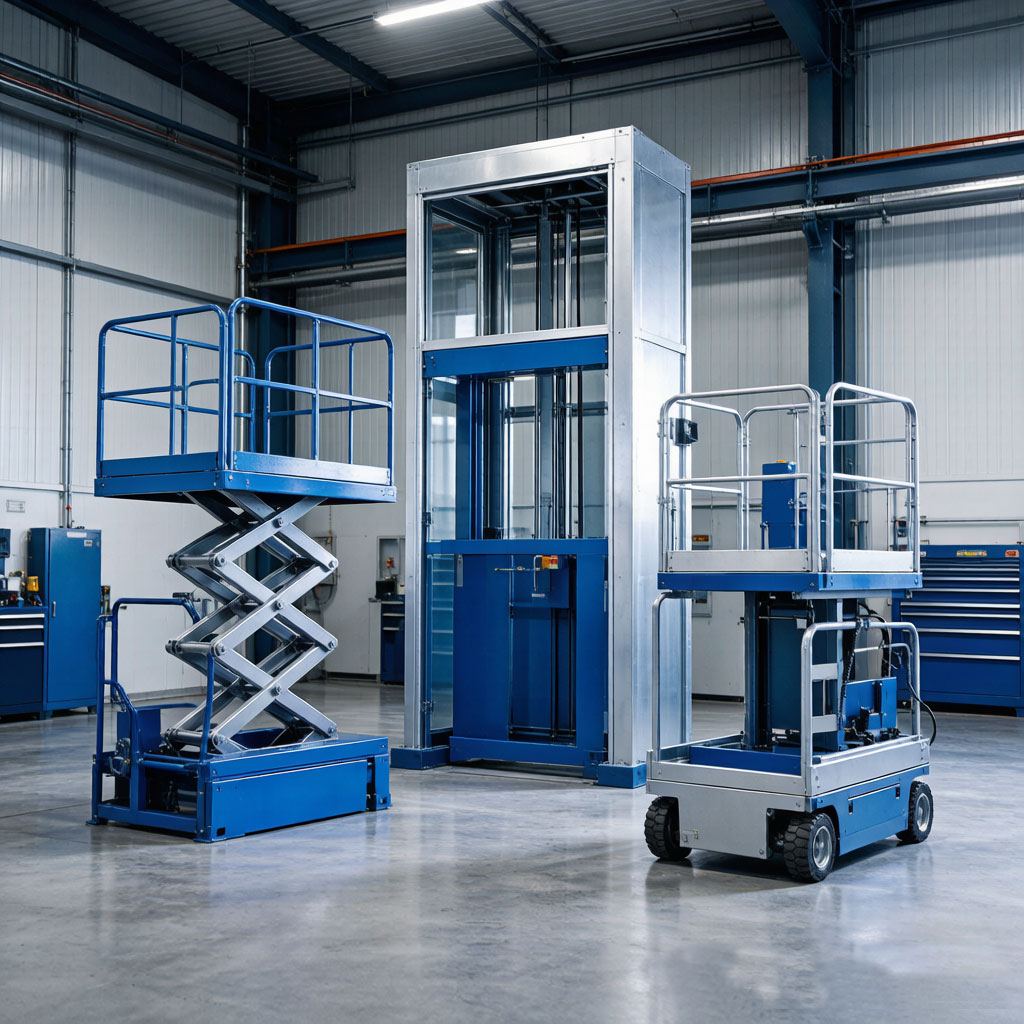
The price of a two-story home elevator is affected by multiple factors such as drive mode, configuration level, customization needs and brand services. The reference price range is 80,000 to 250,000 yuan.The traction type is cost-effective and suitable for most villa families; the screw type is flex
Core factors affecting the price of second-floor home elevators
The price of a two-story home elevator is not fixed, but is affected by many factors.For those who own a villa or duplex, understanding these key variables will help them make the most reasonable choice within their budget.
First of all, the driving method is the primary factor that determines the price.Currently, the mainstream home elevator driving methods on the market include traction type, hydraulic type and screw type.Traction elevators have mature technology, stable operation, low energy consumption, and are relatively affordable; hydraulic elevators have strong load-carrying capacity, but have higher maintenance costs; screw elevators do not require a machine room, are flexible to install, and are suitable for apartments with limited space, but the price is usually high.
Secondly, the car size and degree of customization directly affect the quotation.The price of standard configuration home elevators is relatively transparent, but if the user needs to customize the car material, interior style, door structure (such as center split door, side door) or special color, the manufacturer will usually charge additional customization fees.In addition, whether the shaft requires civil construction and whether it is equipped with a machine room-less design is also an important source of price fluctuations.
Brand and after-sales service are also cost factors that cannot be ignored.First-tier brands often have advantages in quality stability, safety configurations and after-sales response speed, but their prices are relatively high; some domestic brands win with high cost performance.It is recommended that users comprehensively consider the warranty period, maintenance frequency and coverage of local service outlets when purchasing to avoid hidden costs caused by inconvenient later maintenance.
Second floor home elevator price range comparison table
In order to help readers understand the market situation more intuitively, the reference price ranges of different types of home elevators are listed below:
| Drive mode | configuration level | Reference price (10,000 yuan) | Applicable scenarios |
|---|---|---|---|
| Traction | Standard configuration | 8-12 | Villas, duplexes |
| Traction | Luxury customization | 12-18 | High-end villa |
| Hydraulic | Standard configuration | 10-15 | Large load capacity requirements |
| screw type | Standard configuration | 12-18 | Small apartment without machine room |
| screw type | High-end customization | 18-25 | Luxury houses and special structure residences |
The above prices are reference prices including tax and basic installation. The actual transaction price is subject to final calculation based on hoistway conditions, floor height and personalized needs.
How to scientifically choose a two-story home elevator
When purchasing a home elevator, it is recommended to follow"Measure first, then compare, then decide"principle.The first step is to accurately measure the dimensions of the shaft or reserve space, and confirm the floor height, lintel position and pit depth. These data will directly affect the elevator selection.The second step is to obtain plans and quotations from at least three regular manufacturers, and compare whether the safety components in the configuration list (such as emergency call systems, power-off emergency leveling, and anti-pinch induction devices) are complete.The third step is to check the manufacturer's special equipment manufacturing license and installation qualification to ensure that the product complies with the national standard GB/T 21738 "Safety Specification for the Manufacturing and Installation of Home Elevators".
Jinan Xinhanfeng Machinery Equipment Co., Ltd. reminds: Home elevators are special equipment. When purchasing, do not use price as the only criterion. Safety performance and after-sales guarantee are the core guarantees for long-term use.
FAQ
How long does it usually take to install a second-floor home elevator?
It usually takes 4 to 8 weeks from signing the contract to official delivery.If the shaft conditions are met, the installation process will take about 1 to 2 weeks; if civil construction or customized components are required, the cycle will be extended accordingly.
Does a home elevator require regular maintenance?How much does it cost?
Needed.According to relevant national regulations, home elevators should be maintained at least every 15 days.Annual maintenance fees generally range from 2,000 to 5,000 yuan, depending on the brand, frequency of use and maintenance package content.
Can a home elevator be installed without a pit?
Yes.Screw elevators and some traction elevators support pitless installation solutions. The traditional pit is replaced by a steel structure platform, which is suitable for duplex or villa renovation scenarios that have been completed.
What is the load standard for a second-floor elevator?
The common load capacity of home elevators is 300kg to 400kg and can accommodate 3 to 5 people.If there are members in the family who have mobility difficulties or need to transport wheelchairs, it is recommended to choose a configuration of 400kg and above.
How noisy is a home elevator generally when it's running?
The operating noise of high-quality home elevators is usually controlled between 45 and 55 decibels, which is equivalent to the sound of normal conversation and will not interfere with daily life.The noise of the screw elevator is slightly higher than that of the traction elevator, but it is within the comfortable range.
After purchasing a home elevator, how long is the warranty period?
The warranty period of mainstream brand home elevators is 1 to 2 years for the entire machine, and the warranty for core components (such as the host machine and control system) can be 3 to 5 years.When purchasing, you should inquire about the warranty scope and disclaimer in detail.
Does a second-floor home elevator consume a lot of electricity?
Home elevators adopt intermittent operation mode, and their daily power consumption is extremely low.Taking a traction elevator as an example, a single lift consumes about 0.5 kilowatt-hours of electricity, and the monthly electricity cost is usually no more than 20 yuan.
Case
Case 1: A record of the second-floor traction elevator installation by a villa owner in Jinan
Mr. Zhang's home in Lixia District, Jinan is a two-story single-family villa, and the original design did not reserve an elevator shaft.After on-site investigation by Xinhanfeng engineers, a machine room-less traction solution was adopted to build a steel structure hoistway on the side of the stairs. The car size is 1100mm × 1200mm and the load is 320kg.The entire project took only 6 weeks from signing to delivery. The owner said that the operation was smooth, the noise was lower than expected, and the convenience of daily commuting was significantly improved.
Case 2: Screw elevator renovation plan for Qingdao duplex apartment
Ms. Li's home in Laoshan District, Qingdao is an old-fashioned duplex apartment built in 1998. The stairs are steep, which poses safety risks for the elderly in the family when going up and down the stairs.The Xinhanfeng team recommended a screw-type home elevator, which does not require digging a pit or a machine room, and uses the space on the side of the balcony to complete the installation.The elevator stops at the living room on the first floor and the bedroom on the second floor. The operating noise is about 48 decibels. The elderly no longer need to climb stairs, and the quality of family life has been significantly improved.
Authoritative citation
GB/T 21738-2021 "Safety Specifications for the Manufacturing and Installation of Home Elevators"
Relevant provisions of "Residential Design Code" GB 50096-2011
China Elevator Association's "White Paper on the Development of China's Home Elevator Industry in 2024"